Advocacy Exhaustion
What it’s like to constantly have to explain your disability—and fight
It’s hard. Constantly explaining, constantly advocating, constantly fighting. And when you’re disabled, it’s a daily occurrence. Whether it’s engaging in the community, or navigating systems that weren’t built for us: it’s so much harder than it should be.
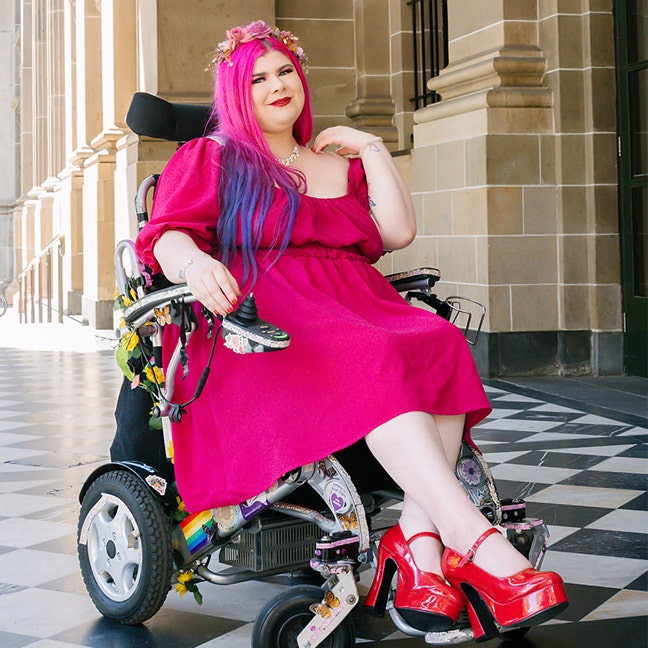
I was born disabled because I’m autistic. But I didn’t know for a long time: my late 20s, to be exact. When I started developing extreme chronic pain, fatigue and illness in my early-mid 20s, it truly turned my life upside down. Suddenly, my life had changed - and there were so many things I couldn’t do. And worse: so many more barriers. Both systemic and attitudinal. It was then that I began to realise what disability is: and how much advocacy is needed.
Because, disability isn’t something that’s taught or talked about, for the most part. Growing up, disability representation was largely from non-disabled people, through a lens of either tragedy or inspiration. I didn’t realise that actually, one in five people are disabled. And disability looks so different than to what the general stereotype is. For example, most disabilities aren’t visible. But because of that, there can be so much more stigma and ableism to face.
Which means we have to fight even more.
And that’s really hard to do, on top of living with multiple disabilities and chronic illnesses.
I just don’t have the energy—to explain, to advocate, constantly. To doctors. To workplaces. To shops, events and businesses. And everywhere I look are barriers, not just for me, but the whole community. I recognise I definitely have privileges: and if it’s a challenge for me, it’s a lot worse for others, especially culturally and racially marginalised people.
Quite frankly, I’m exhausted. I have to explain my disabilities and chronic illnesses over and over again, and advocate for my needs, including basic accessibility. Even in spaces that claim to be diverse, inclusive and accessible. Like I went to a conference for autistic people and the disabled bathroom didn’t have working plumbing. Or going to a restaurant that says it’s step-free, only to have a step my wheelchair can’t get up. Or to apply for a program or job for disabled people, but they won’t accept adjustments so it can be more accessible, like remote attendance and flexible hours. Small things make such a difference, and even that is so incredibly rare: the only place that usually does accessibility well are disability spaces, and even then, I recently spoke at an event with three wheelchair users . . . but no ramp to the stage.
And it happens all the dang time. Every time I leave the house, speak to someone, or engage in services. Sometimes, people listen the first time. But most times, it’s just constantly repeating the same things over and over, having to fight for basic things like just being able to get in the room.
It comes down to the reality that unless you’re disabled or have loved ones who are disabled, you probably have no clue about disability. About genuine inclusion. About accessibility. If you’ve never had to fight these barriers, of course you won’t see them.
That’s why better representation and education is so vital. And it’s why I fight so much for better disability representation and fight to get disabled issues into the media. Because people seem to think disability will never affect them. But the reality is that every single day, people become disabled and have no control over it. It could be a sickness, a flu, COVID, an accident, a war, a fall: and suddenly, your life has changed forever. So it’s important people know about these challenges and barriers and help us fight them before it impacts them. And there is also the fact that accessibility and inclusion literally benefits everybody.
I fight, even when I’m tired, because I do truly believe it makes a difference. I believe writing can change the world, or at least, someone’s world. And that is the light that guides me through the storm, even when it’s hard.
If you work with or love someone with a disability, please take the time to learn. Learn about their disability, but also, about accessibility and all the ways it can appear. Help us dismantle these ableist systems. Help us make it easier and better for everyone. And help us carry the load—so it’s not so exhausting on our own anymore.
Zoe Simmons is a journalist, copywriter, disability advocate and speaker who writes to make a difference. You can find out more about Zoe’s work on her website, or on Facebook, LinkedIn, Tik Tok or Instagram.